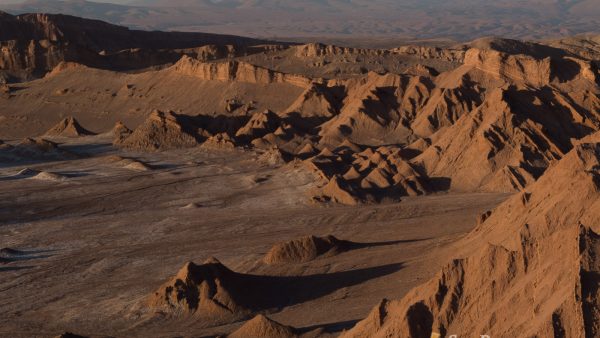
San Pedro de Atacama is an oasis in the Chilean highlands. Explore the site and find clear information on what to see, tours, accommodations, and services.
Highlights
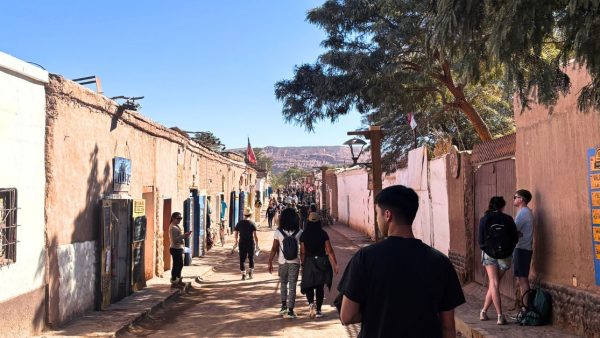
Find out key information about San Pedro de Atacama: how to get there, useful tips, what to see, and where to buy tickets to help you plan your trip.

Excursions
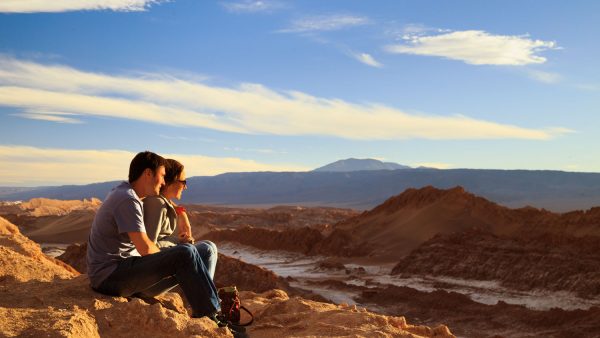
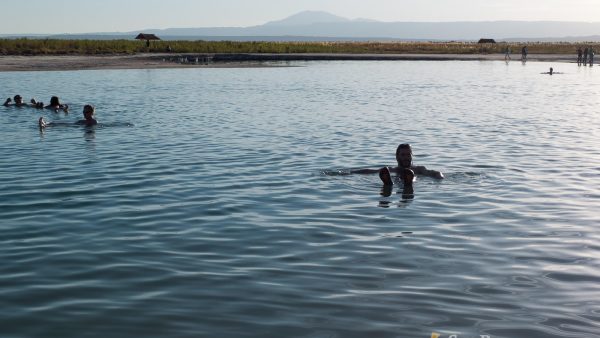
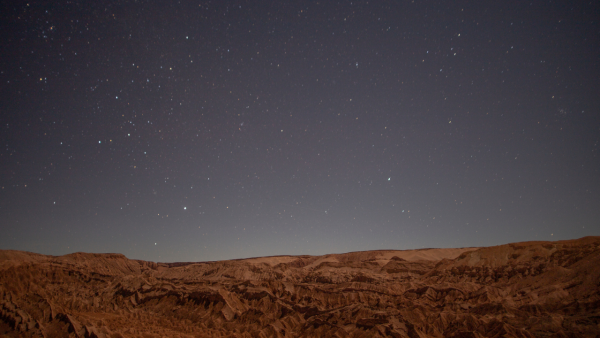
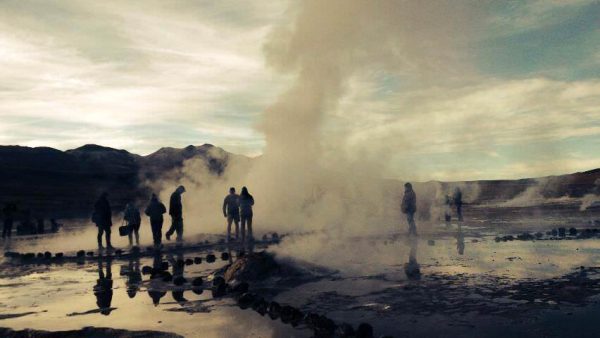
Explore the most popular tours in San Pedro de Atacama: geysers, high-altitude lagoons, and the Valley of the Moon. Choose tried-and-true experiences and plan your trip better.

Transfer
Round-trip transfer from Calama to San Pedro de Atacama. Book your airport transfer easily.

Programs
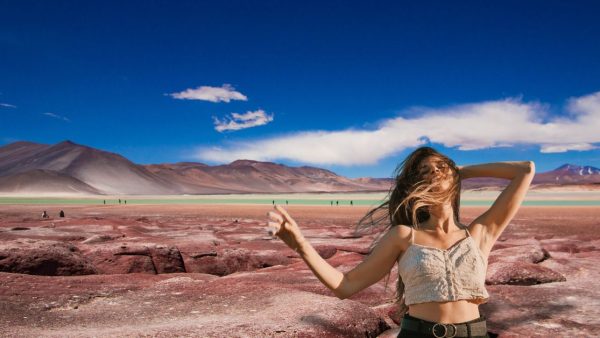
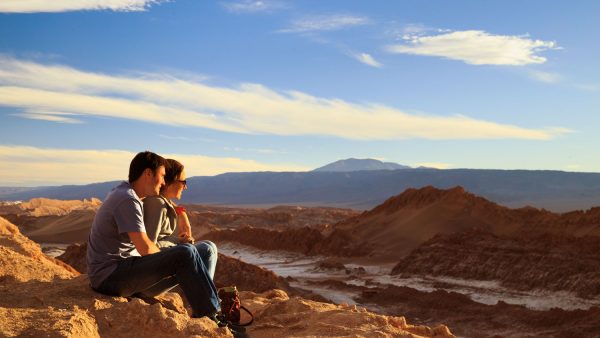
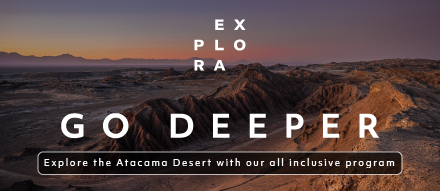
Vacation packages in San Pedro de Atacama that include lodging and excursions. Plan your desert trip with all-inclusive itineraries that are ready to book.


Accommodation
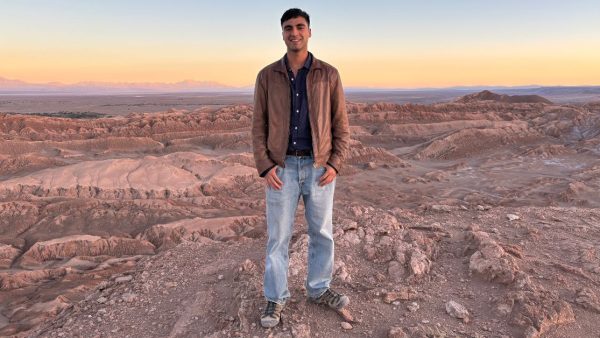
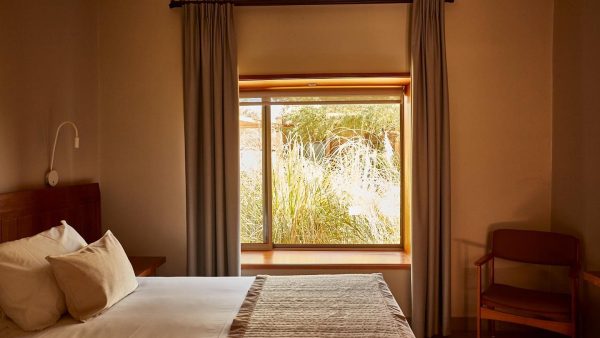
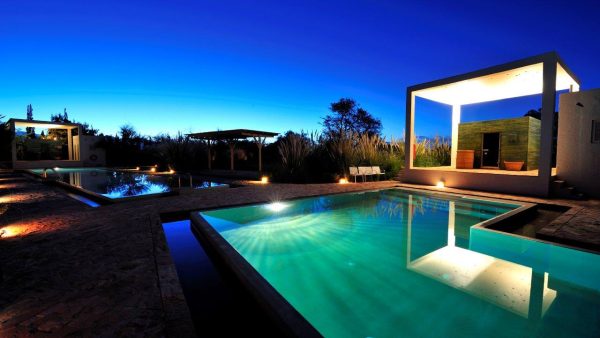
Discover where to stay in San Pedro de Atacama: hotels, hostels, houses, and cabins to help you plan your stay based on your travel style.
Highlights
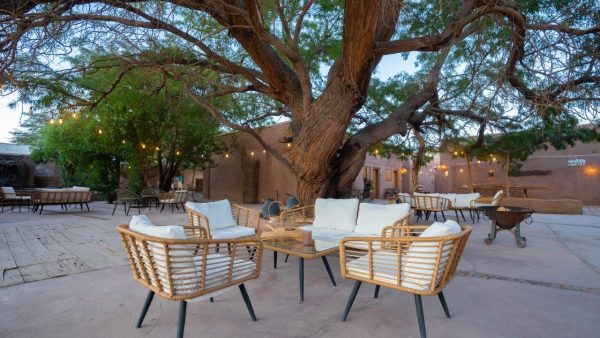

Highlights
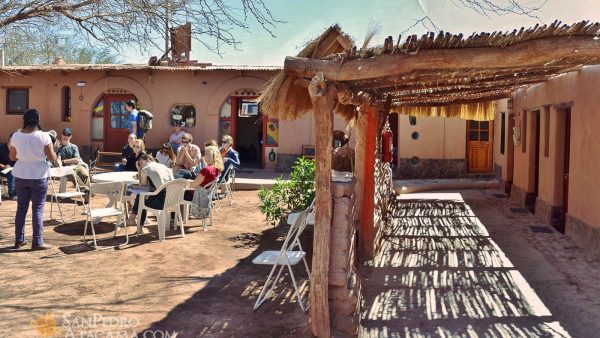
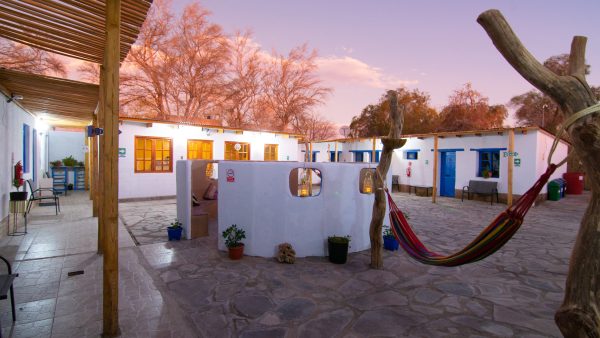
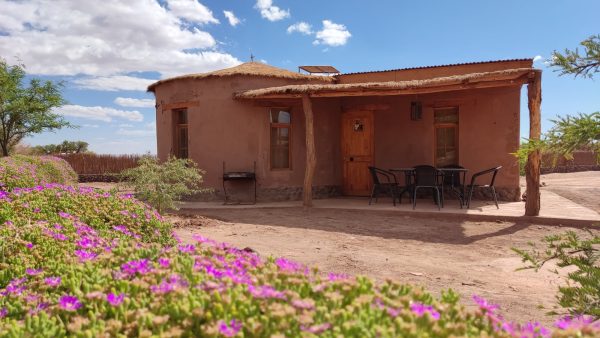
Highlights
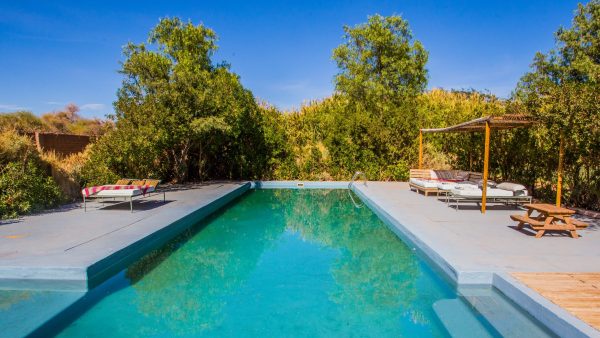
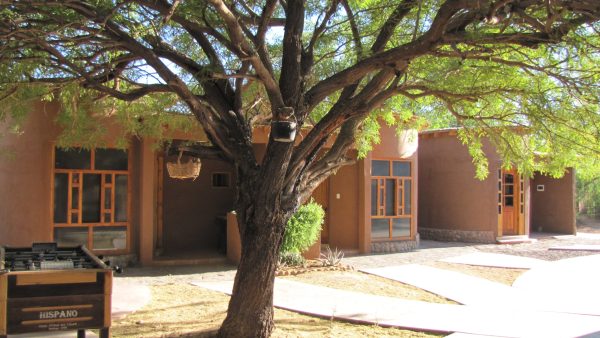
Services
Find tourist services in San Pedro de Atacama: restaurants, tour agencies, and shops to help you plan your trip.


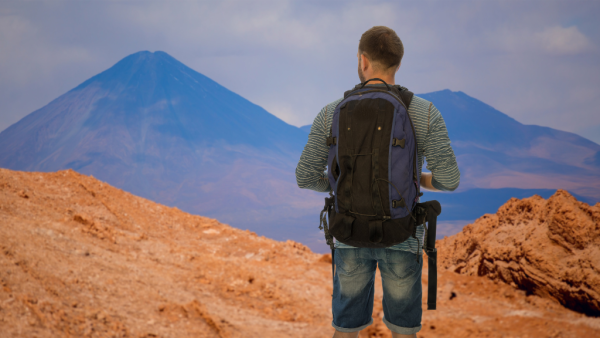
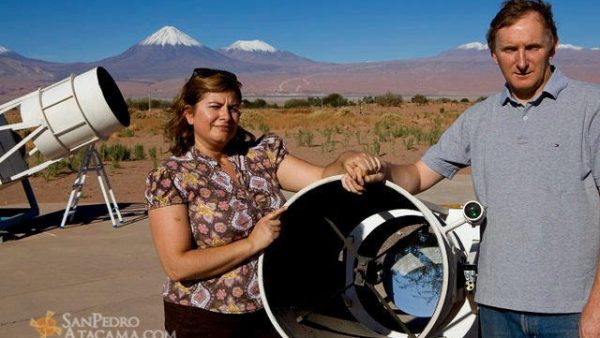





Plan with real information, travel with experts. This guide is the result of years of exploring the destination. If our information has inspired you, we invite you to book your services with us. You'll not only be supporting this informative project, but you'll also have the backing of a team with direct contacts at the destination, ready to answer your questions and personalize your experience.

We carefully select every service and provide exclusive travel documents with practical tips for GreatChile clients.

We know the destination first-hand and maintain direct contact with our local partners to provide reliable, up-to-date advice.

We verify availability before payment and monitor every service before and during your trip to ensure everything runs as planned.


Posts from our Blog
Visit the San Pedro de Atacama blog for guides, tips, and recommendations to help you plan your trip.
- Is it a good idea to travel to San Pedro de Atacama with kids?

- Looking for a unique romantic getaway? San Pedro de Atacama is the perfect destination for couples
- San Pedro de Atacama with the Family: Nature, Culture, and Relaxation for All Ages
- Visiting San Pedro de Atacama for a Short Time? Discover These 3 Classic Tours in 2